Explore Global Cities: Comprehensive Travel Guides & Itineraries
Explore Global Cities: Comprehensive Travel Guides & Itineraries for Remote Workers and Digital Nomads
In an increasingly interconnected world, the allure of exploring global cities has never been stronger, especially for remote workers and digital nomads. This article delves into the essential aspects of city travel, focusing on comprehensive guides and itineraries tailored for those who work while they travel. Readers will discover what makes a city ideal for remote work, how to plan effective travel itineraries, and essential tips for navigating urban environments. As remote work becomes more prevalent, understanding the dynamics of urban coworking spaces and local cultures is crucial for a fulfilling travel experience. This guide will cover the best cities for remote work, effective itinerary planning, travel tips, and the latest trends in remote work travel.
Which Cities Are Best for Remote Work and Digital Nomad Lifestyles?
Identifying the best cities for remote work involves evaluating various factors that contribute to a conducive working environment. Key characteristics include access to reliable internet, availability of coworking spaces, and vibrant local communities that support networking and collaboration. Cities that excel in these areas not only provide the necessary infrastructure but also foster a lifestyle that balances work and leisure.
What Makes a City Ideal for Remote Workers and Entrepreneurs?
An ideal city for remote workers and entrepreneurs typically features several critical elements. First, access to “urban coworking spaces” is essential, as these environments facilitate networking and collaboration among like-minded individuals. Second, cities with a high quality of life, including safety, healthcare, and recreational opportunities, enhance the overall experience for remote workers. Lastly, vibrant local cultures and communities that welcome digital nomads can significantly enrich the living experience.
Top Global Cities with Urban Coworking Spaces and Remote Work Infrastructure
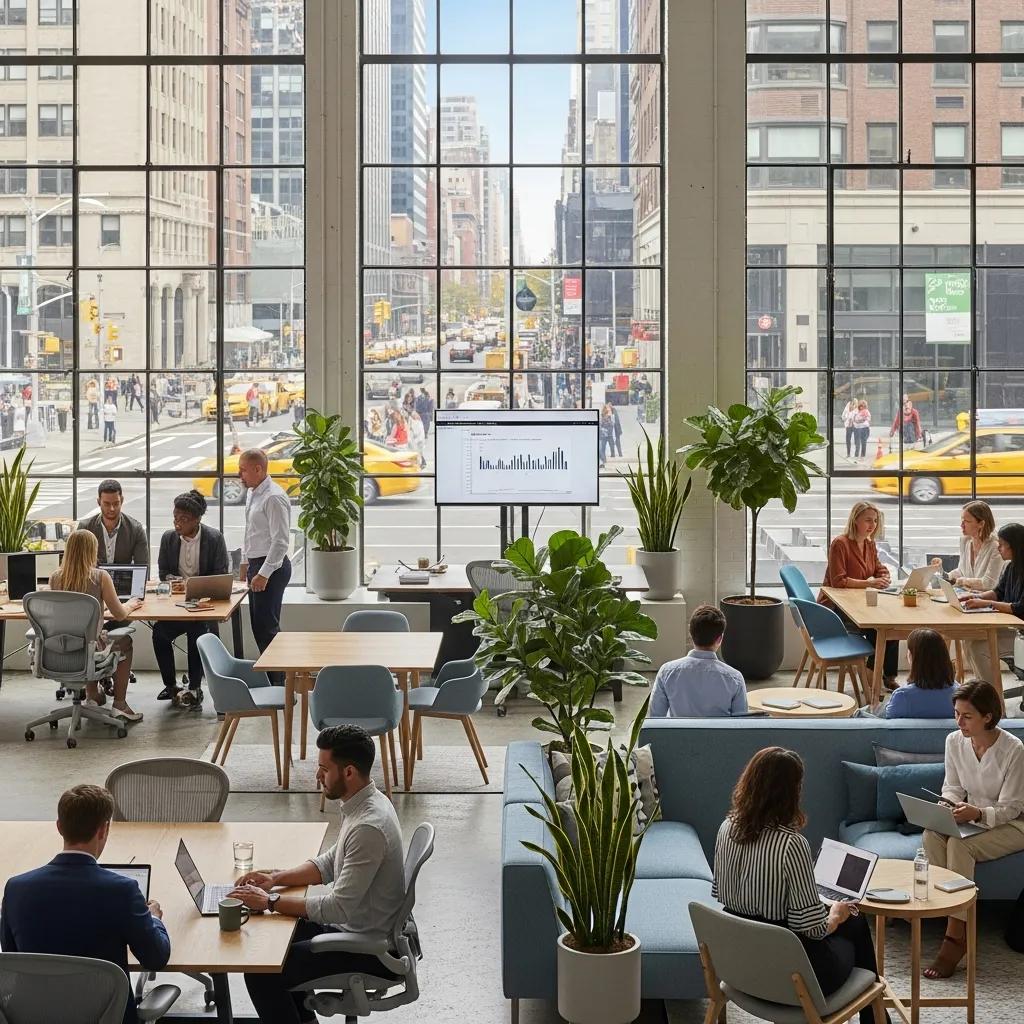
Several cities stand out for their robust remote work infrastructure and urban coworking spaces. Notable examples include:
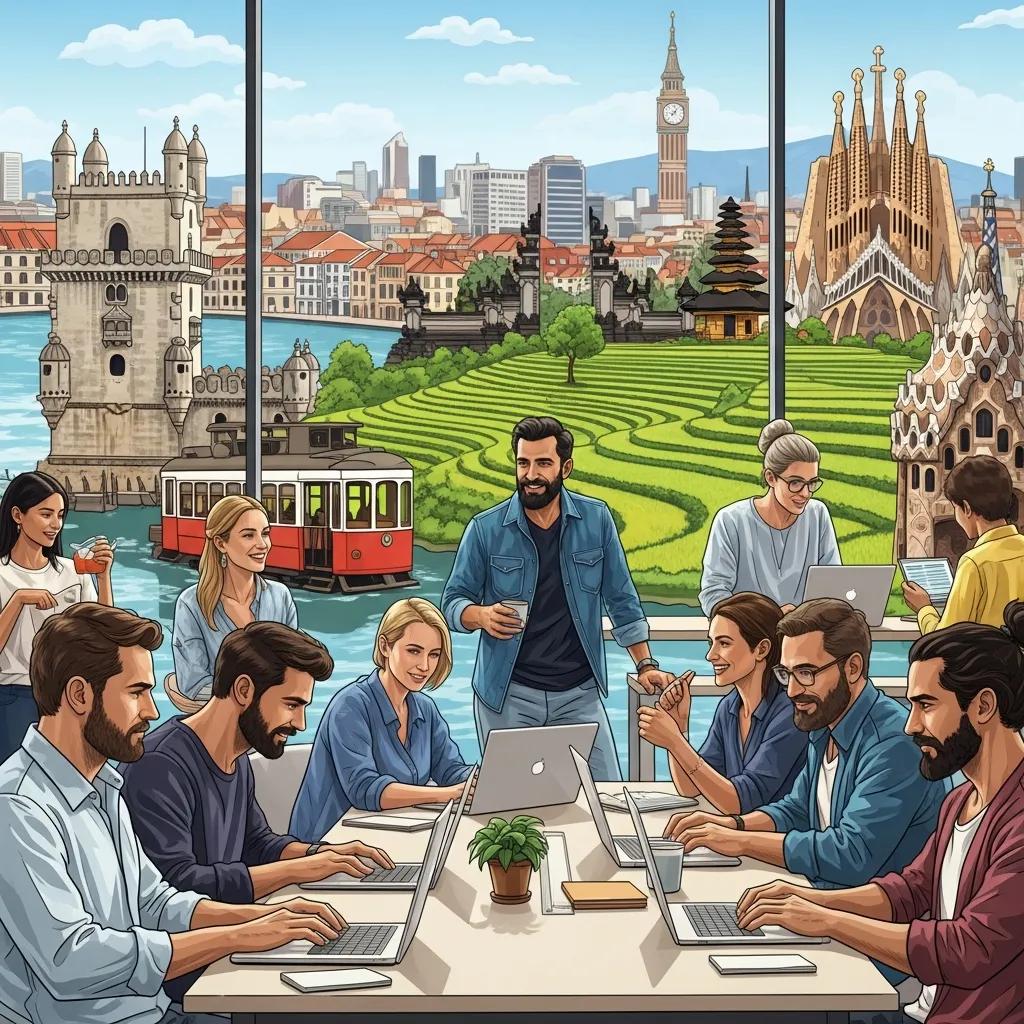
- Lisbon, Portugal: Known for its affordable cost of living and vibrant culture, Lisbon offers numerous coworking spaces and a welcoming atmosphere for digital nomads.
- Bali, Indonesia: With its stunning landscapes and strong expat community, Bali has become a hotspot for remote workers seeking a blend of work and relaxation.
- Barcelona, Spain: This city combines a rich cultural heritage with modern amenities, making it an attractive destination for remote professionals.
These cities not only provide the necessary infrastructure but also foster a sense of community among remote workers.
How to Plan Effective City Travel Itineraries for Urban Adventures
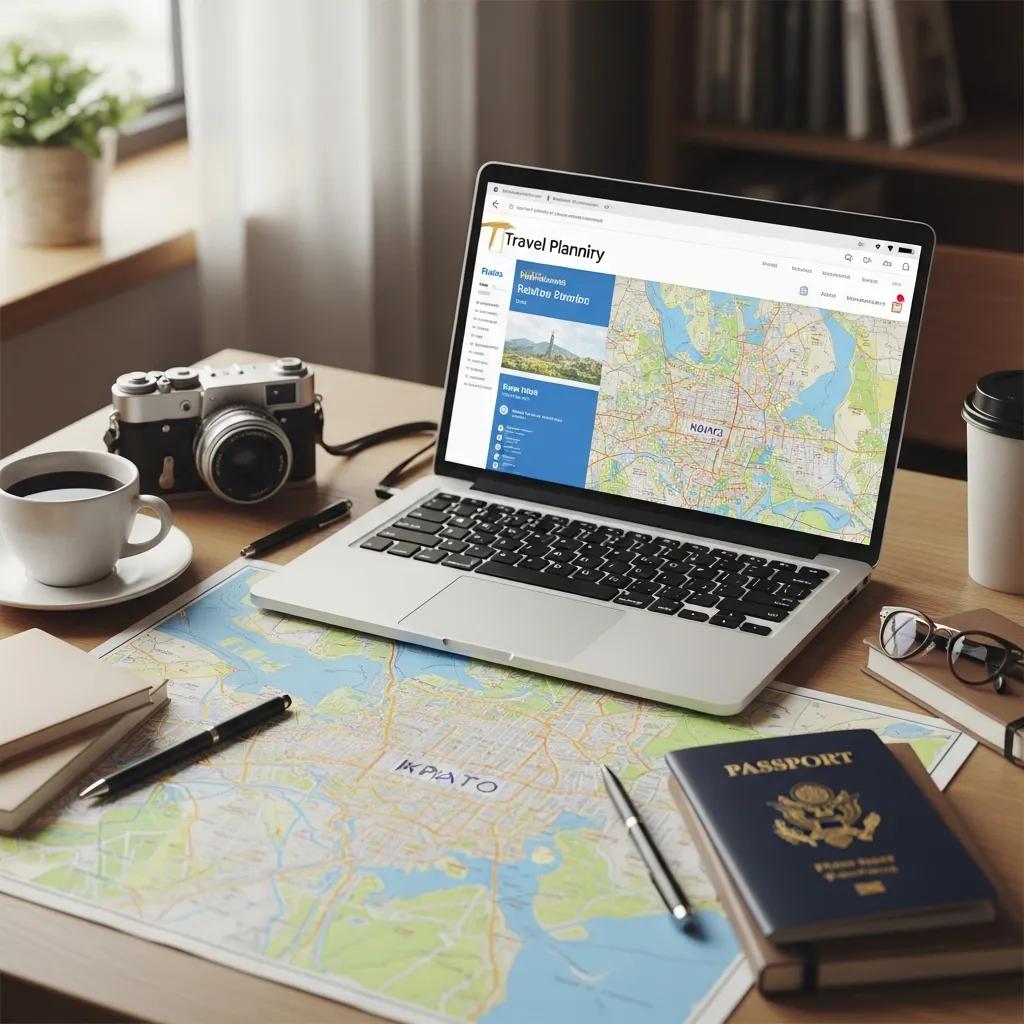
Creating effective travel itineraries for urban adventures requires careful planning and consideration of both work and leisure activities. A well-structured itinerary balances sightseeing with work commitments, ensuring that travelers can enjoy the best of both worlds.
Effective itinerary planning is a critical component of successful travel, optimizing both the journey and the destination experience.
Optimal Travel Itinerary Planning & Destination Choice
We study destination choice and itinerary problem for self-driving travel planning. This problem finds the optimal travel strategy by optimizing travel tour and resting break time.
Travel planning problem considering site selection and itinerary making, L Lei, 2018
What Are Sample Itineraries for Exploring Major Global Cities?
Sample itineraries can serve as a valuable resource for travelers looking to maximize their time in a new city. For instance, a three-day itinerary in Barcelona might include:
- Day 1: Morning work session at a local coworking space, followed by an afternoon exploring the Gothic Quarter and enjoying tapas at a local restaurant.
- Day 2: A full day of sightseeing, including visits to La Sagrada Familia and Park Güell, with evening networking events at local cafes.
- Day 3: A morning of work, followed by a visit to the beach for relaxation and a sunset dinner at a seaside restaurant.
These itineraries provide a structured approach to exploring while accommodating work responsibilities.
How to Balance Sightseeing and Remote Work in Your City Itinerary
Balancing sightseeing and remote work in a city itinerary requires effective time management. Here are some strategies to consider:
- Prioritize Tasks: Identify essential work tasks and allocate specific time blocks for completion.
- Utilize Off-Peak Hours: Schedule sightseeing during off-peak hours to avoid crowds and maximize enjoyment.
- Incorporate Flexibility: Allow for spontaneous activities and networking opportunities that may arise during your travels.
By implementing these strategies, remote workers can enjoy their urban adventures without compromising their professional commitments.
What Are Essential Remote Work Travel Tips for Digital Nomads in Cities?
Traveling as a digital nomad presents unique challenges, but with the right tips, remote workers can navigate urban environments effectively. Understanding local customs, safety considerations, and networking opportunities is crucial for a successful experience.
How to Find and Use Urban Coworking Spaces and Networking Events
Finding and utilizing “urban coworking spaces” and networking events can significantly enhance the remote work experience. Here are some tips:
Research highlights how these spaces are crucial for building professional networks.
Digital Nomads & Urban Coworking Spaces: Seoul Insights
open up new networks through coworking spaces. By conducting to coworking space stakeholders and digital nomads actors in Seoul, this research summarizes that coworking space
Urban coworking space: Creative tourism in digital nomads perspective, GB Putra, 2016
- Research Online: Use platforms like Coworker or Meetup to find local coworking spaces and events tailored for remote workers.
- Join Local Communities: Engage with local expat groups on social media to discover networking opportunities and events.
- Attend Workshops: Participate in workshops or seminars hosted by coworking spaces to connect with other professionals.
These strategies can help remote workers integrate into local communities and expand their professional networks.
What Safety and Local Culture Insights Should Remote Workers Know?
Understanding safety and local culture is vital for remote workers traveling in new cities. Here are some insights to consider:
- Cultural Norms: Familiarize yourself with local customs and etiquette to avoid misunderstandings and foster positive interactions.
- Safety Precautions: Stay informed about local safety concerns and take necessary precautions, such as avoiding certain areas at night.
- Emergency Contacts: Keep a list of local emergency contacts, including the nearest hospital and police station, for peace of mind.
By being aware of these factors, remote workers can navigate their new environments more confidently.
How to Leverage Entrepreneur Travel Strategies While Exploring Global Cities
Entrepreneurs traveling in global cities can benefit from specific strategies that enhance their productivity and networking opportunities. Understanding how to manage work while exploring new environments is essential for success.
What Are Key Tips for Managing Remote Careers on the Move?
Managing a remote career while traveling requires discipline and effective strategies. Here are some key tips:
- Set Clear Goals: Define your work objectives for each travel destination to maintain focus and productivity.
- Create a Mobile Office: Equip yourself with essential tools, such as a portable laptop stand and noise-canceling headphones, to create a conducive work environment anywhere.
- Establish a Routine: Develop a daily routine that incorporates work hours, leisure activities, and networking opportunities.
These tips can help entrepreneurs maintain productivity while enjoying their travels.
How to Connect with Local Entrepreneurial Communities and Resources
Connecting with local entrepreneurial communities can provide valuable resources and support for remote workers. Here are some strategies:
- Attend Local Meetups: Participate in local entrepreneurial meetups or workshops to network with other professionals.
- Utilize Online Platforms: Leverage platforms like LinkedIn to connect with local entrepreneurs and explore collaboration opportunities.
- Join Co-Working Spaces: Many coworking spaces host events and workshops that facilitate networking and knowledge sharing.
By actively engaging with local communities, remote workers can enhance their professional networks and gain insights into the local business landscape.
What Are the Latest 2026 Travel Trends for Remote Workers and Digital Nomads?
As remote work continues to evolve, several trends are shaping the travel experiences of digital nomads. Understanding these trends can help travelers make informed decisions about their journeys.
How Has Remote Work Travel Increased and Changed Globally?
Recent studies indicate a significant increase in remote work travel, with more professionals choosing to work from different locations. Factors driving this trend include:
- Increased Flexibility: Many companies now offer flexible work arrangements, allowing employees to work from anywhere.
- Technological Advancements: Improved technology and connectivity make it easier for remote workers to stay productive while traveling.
- Desire for Work-Life Balance: Many individuals seek to combine work with leisure, leading to a rise in remote work travel.
These changes reflect a growing acceptance of remote work as a viable lifestyle choice.
What New City Infrastructure and Policies Support Remote Work Travelers?
Cities worldwide are adapting to the needs of remote workers by implementing supportive infrastructure and policies. Examples include:
The evolving landscape of remote work necessitates thoughtful urban planning and policy development to support this growing demographic.
Remote Work’s Impact on Global Cities & Urban Policy
The unexpectedly rapid rise of remote work in recent years has presented a major challenge for cities across the globe. Evidence-based urban policies are needed to harness the many benefits of widespread remote work while mitigating negative externalities. Existing remote work research, although providing a range of valuable and interesting findings, can be challenging to translate into urban policy due to a discipline-specific focus or conflicting results from seemingly similar studies. We propose a new conceptual approach to remote work research that promotes deeper collaboration across disciplines to inform robust and comprehensive remote work policy.
The need for an interdisciplinary approach to remote work and urban policy, NS Caros, 2024
- Enhanced Internet Access: Many cities are investing in high-speed internet access in public spaces and coworking facilities.
- Supportive Policies: Some cities are introducing visa programs specifically designed for digital nomads, making it easier for them to live and work abroad.
- Community Initiatives: Local governments are fostering communities that support remote workers through events and resources.
These developments create a more welcoming environment for remote workers and digital nomads.